Your Cart is Empty



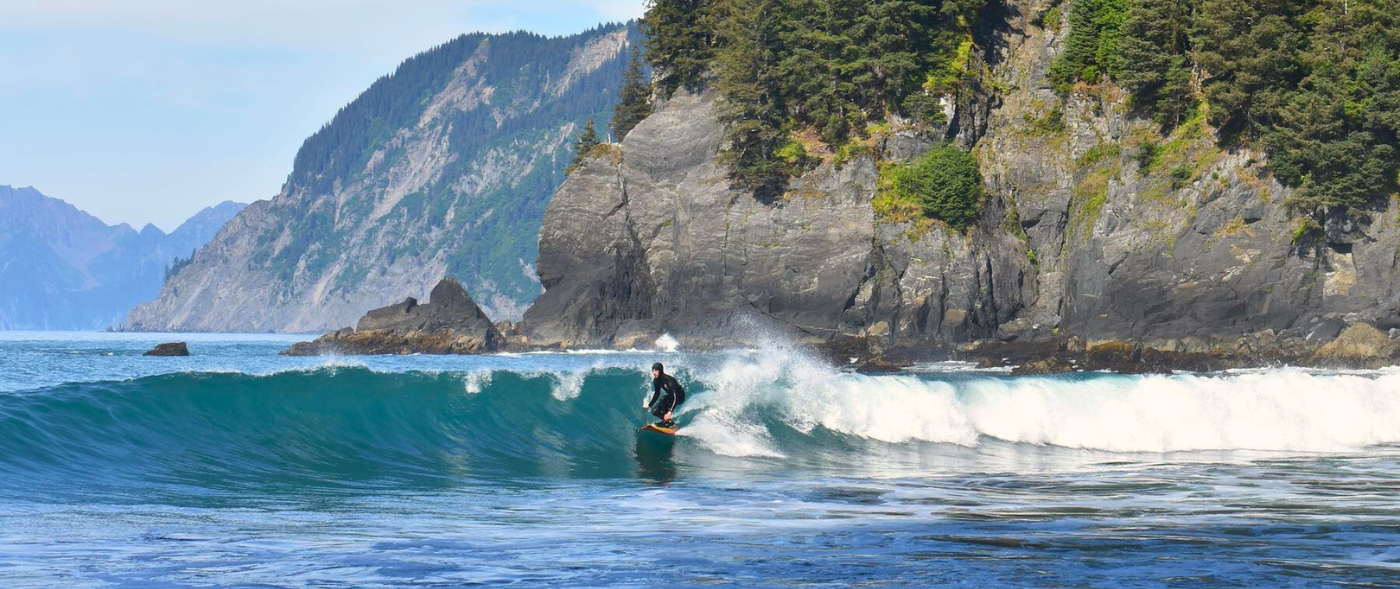
Our passion is to build world-class wetsuits that stand up to the harshest conditions the ocean might offer.
Living and surfing in and along the California coast a frequent topic of conversation was just how much wetsuit innovation had stagnated and quality had deteriorated. It is about designing a wetsuit that improves surfer performance.
Inspired by our quest for the better wetsuit, we took to consulting around the globe: to material scientists in Japan, athletes from Hawaii to Colorado, bio-mechanical engineers and cold water surfers on three continents
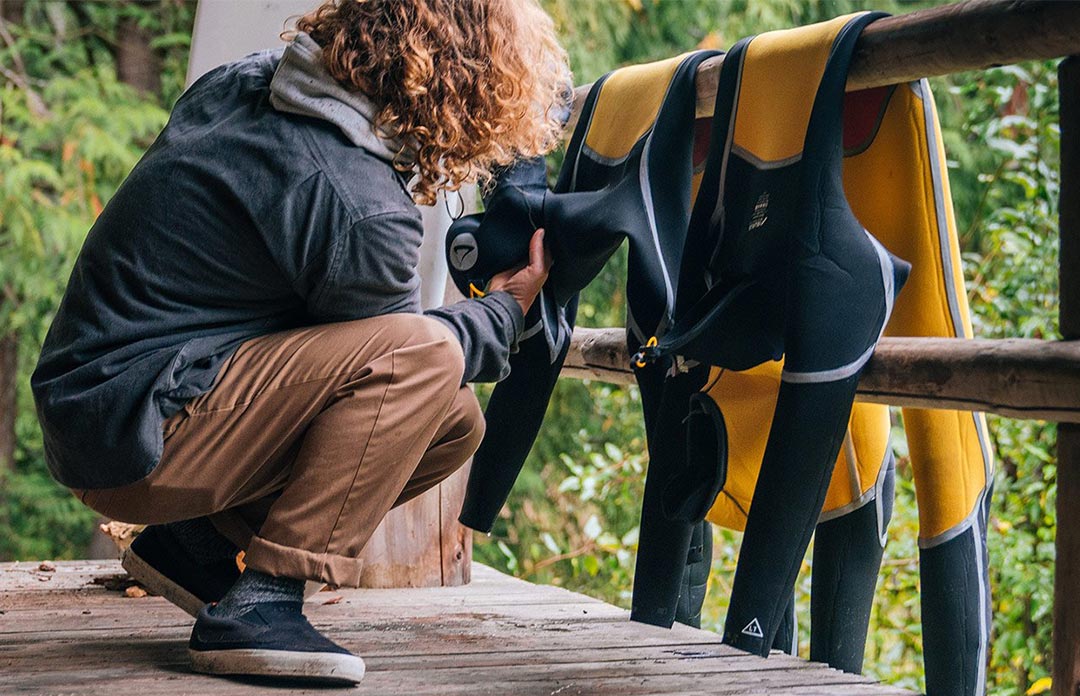
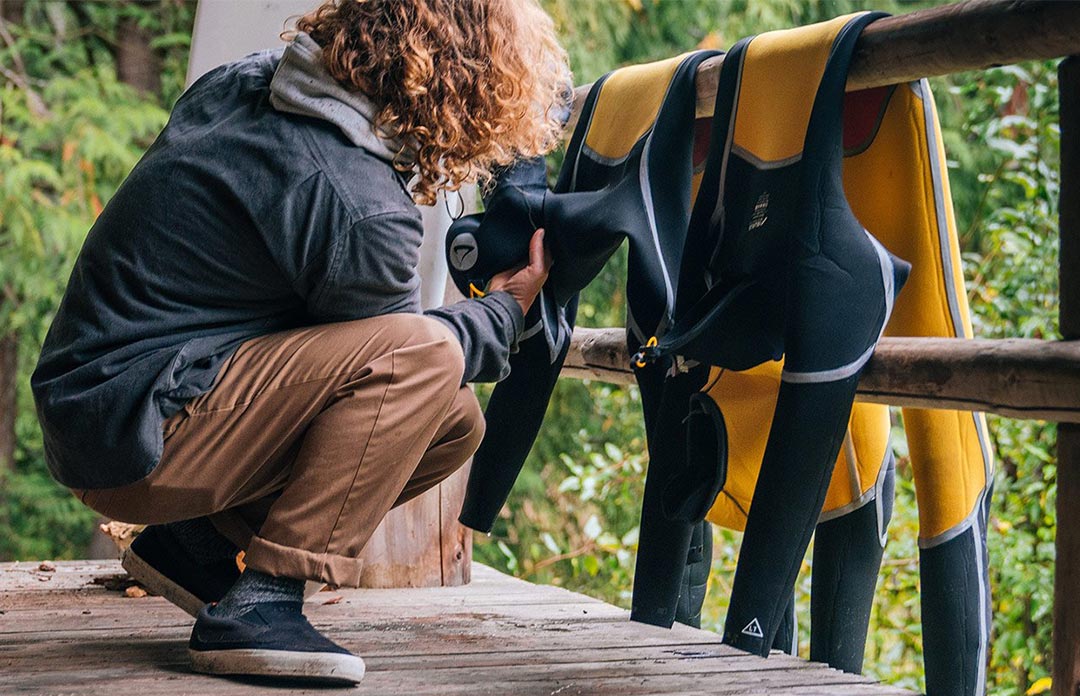
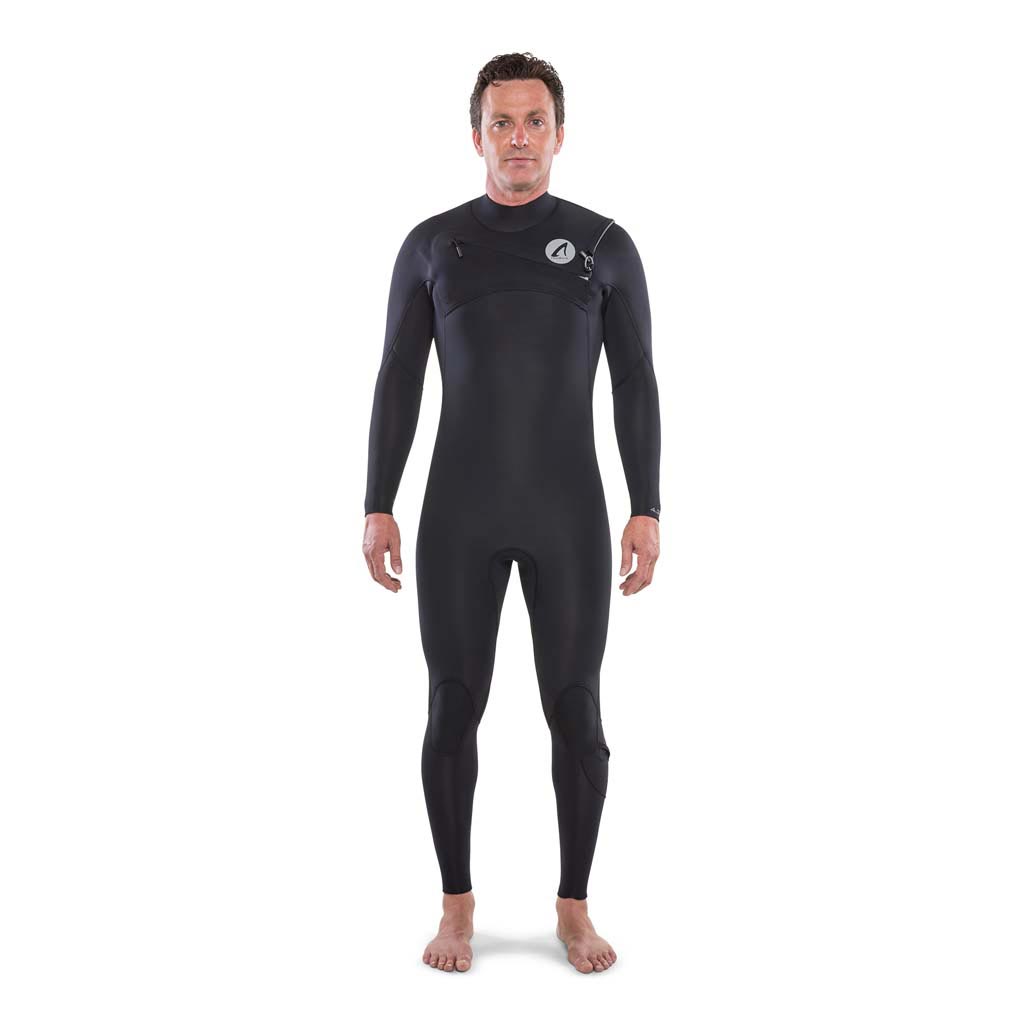
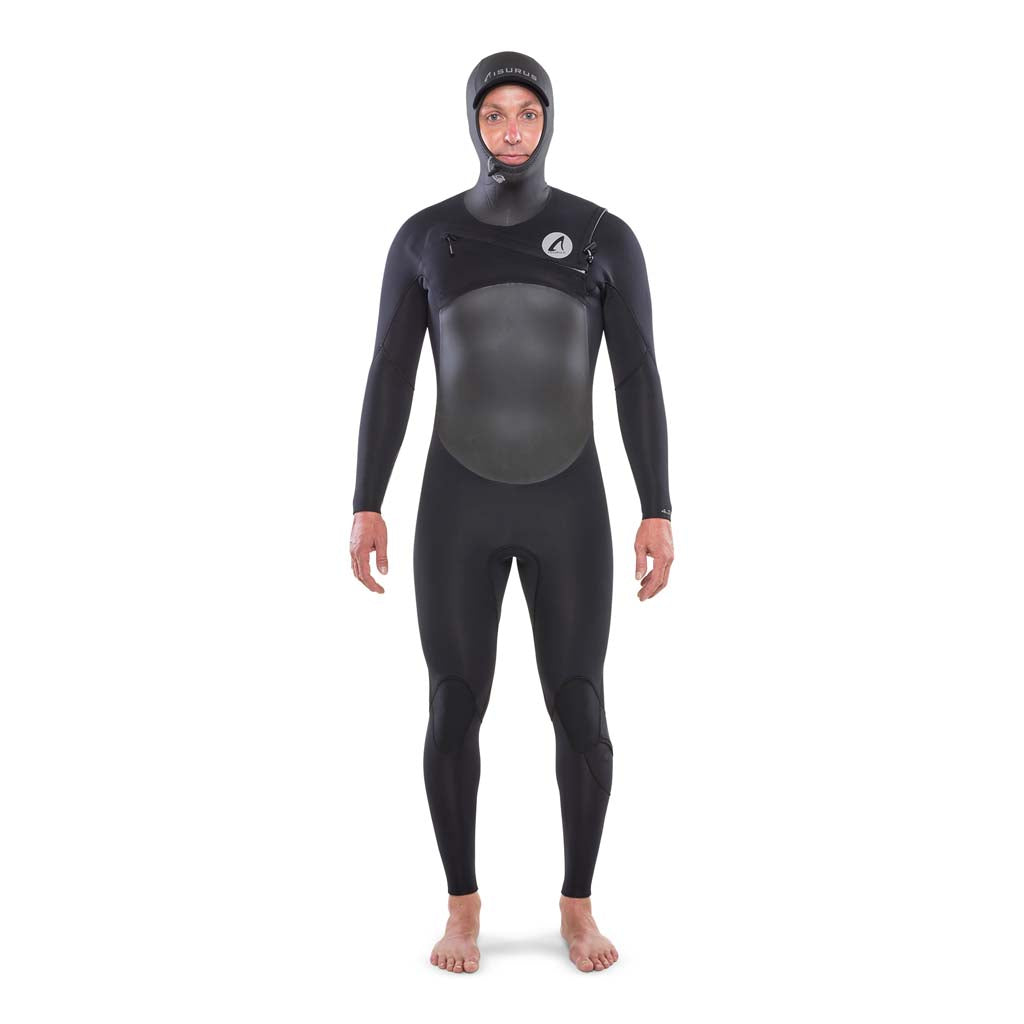
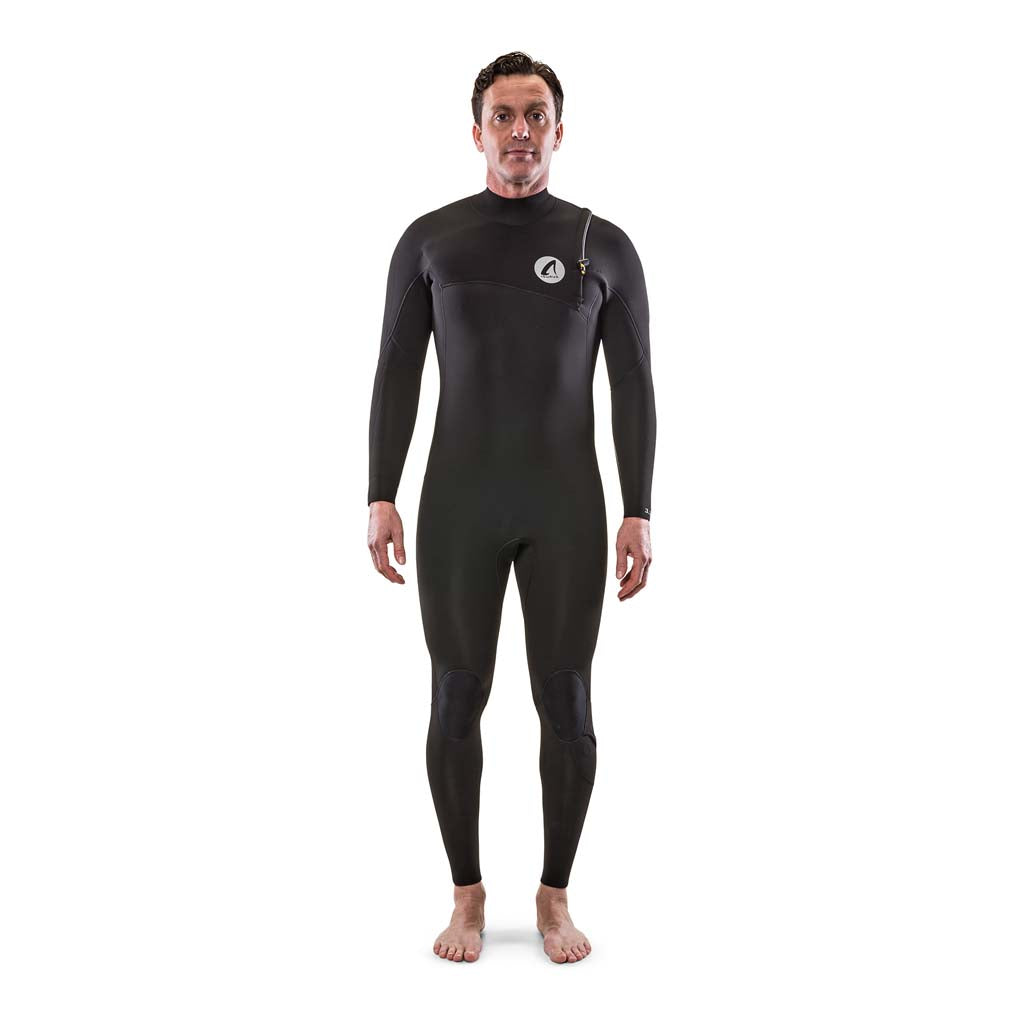
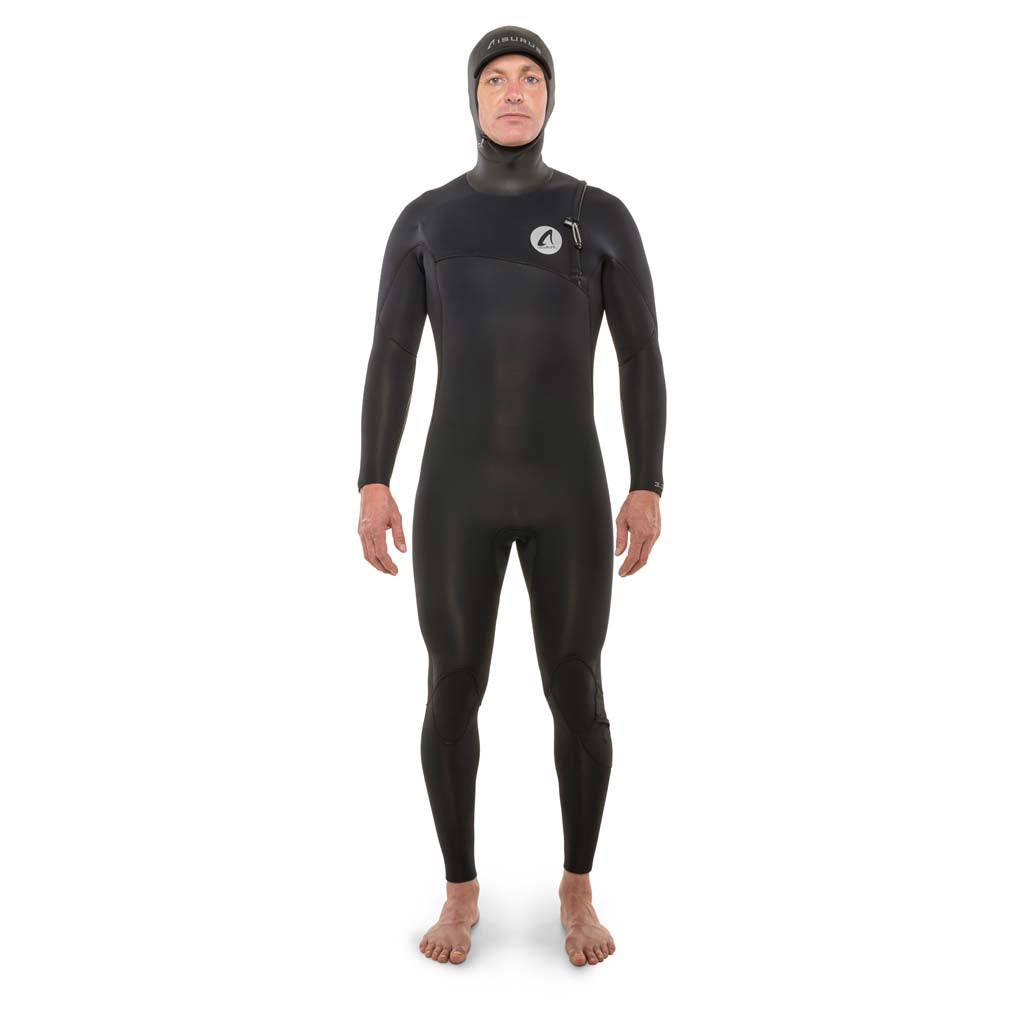
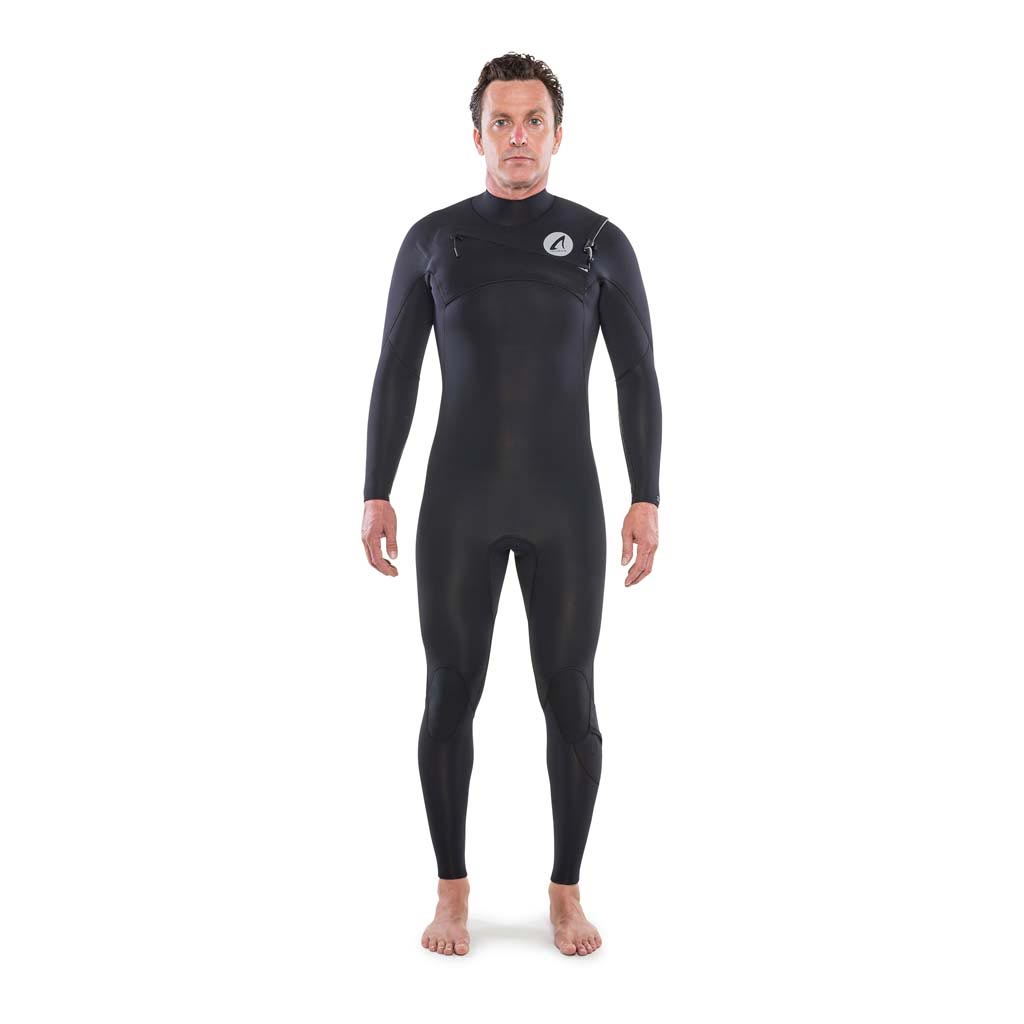
Our range of flexible, durable and warm wetsuits are engineered for performance. Our mission is to create the most comfortable surf wetsuits on earth. From the chest zip Evade Collection, to the ultra-flexible zipfree Shield Collection, our wetsuits stand the test of time. The Ti Alpha collection has been engineered for some of the most extreme conditions on earth, and many surfers prefer our wetsuit tops to surfing topless! You can see how the collection compares in this guide.
Thanks to the material composition and attention to detail, our customers come back again and again to have a quiver of ISURUS wetsuits for all the conditions that Mother Nature throws at them.
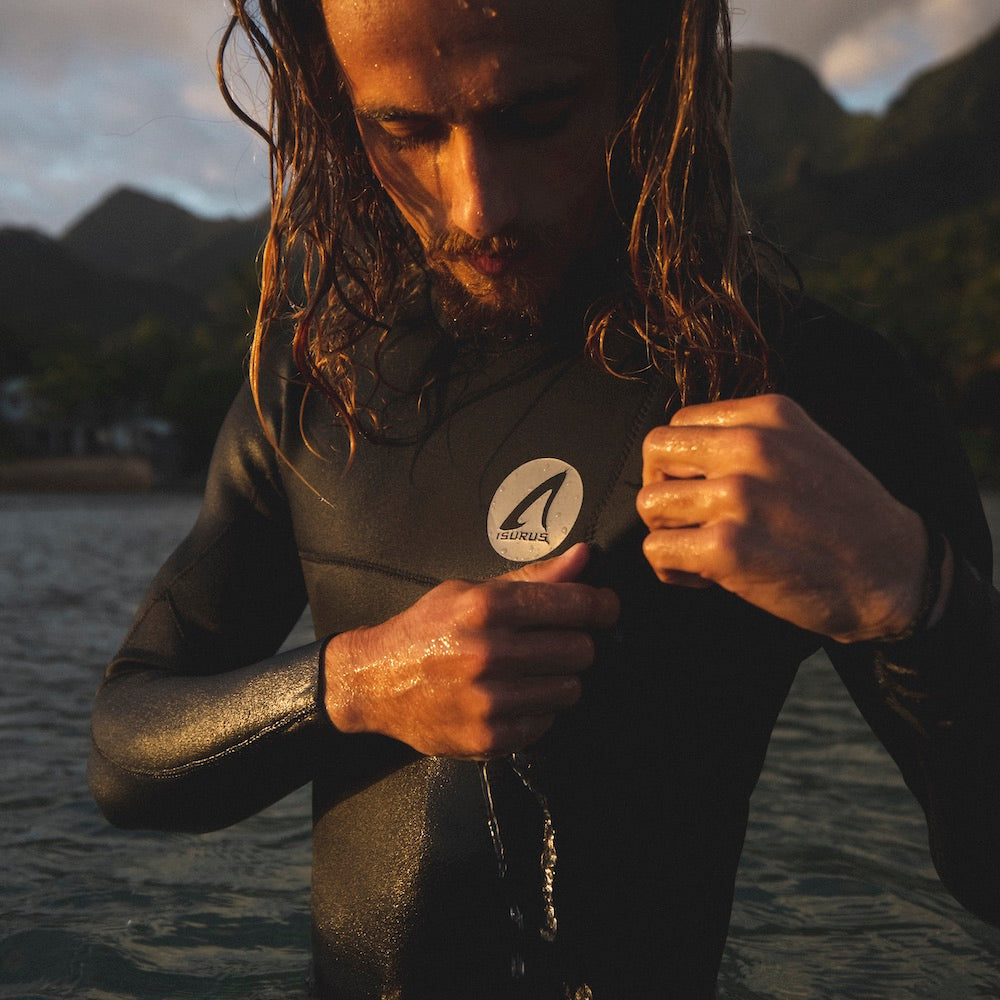
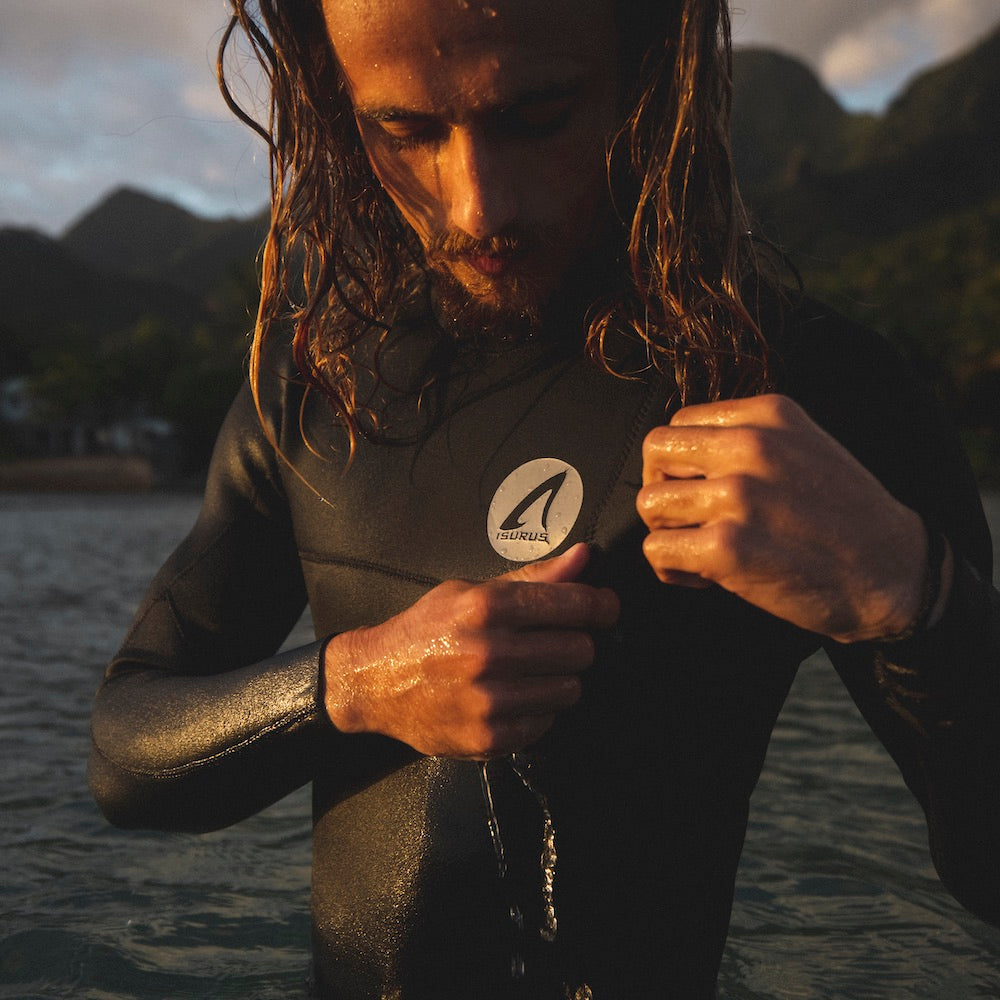
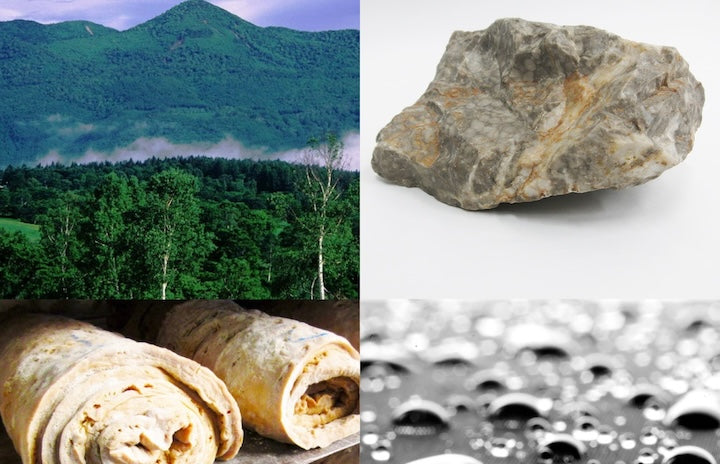
Yamamoto neoprene is widely recognized as the thinnest, lightest, warmest neoprene available in the market.
Yamamoto’s exceptional performance characteristics, combined with its superior durability is creating shock waves for traditional neoprene manufacturers who are figuring out how to compete and spawning a host of imitators producing substandard and inferior closed cell imitators.
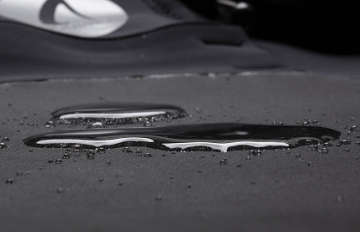
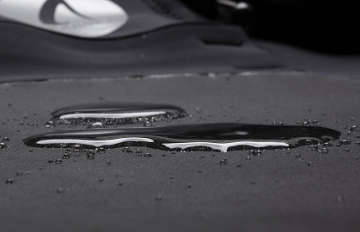
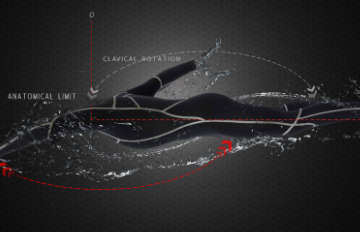
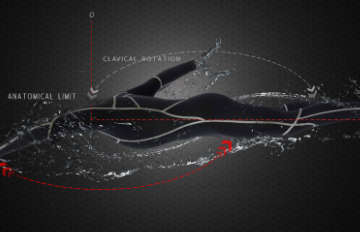
The hydrophobic materials in Isurus Wetsuits have elongation properties of 450% of its original size – with excellent values of elongation and recovery. This means it fits and acts like a second skin providing you with unrestricted range of motion you have not experienced before.
To quote surfers, “it just feels better.”
We put our theories of wetsuit advancement to the test up and down the coast of California. The response to our first suits by core surfers was incredibly positive. And we’re not sitting on our laurels by any stretch.
Our approach is to continually test, learn, refine and then do it all again to ensure the best possible product with vital ongoing feedback from our community of core surfers and respected team riders.
Our range of flexible, durable and warm wetsuits are engineered for performance. Our mission is to create the most comfortable surf wetsuits on earth. From the chest zip Evade Collection, to the ultra-flexible zipfree Shield Collection, our wetsuits stand the test of time. The Ti Alpha collection has been engineered for some of the most extreme conditions on earth, and many surfers prefer our wetsuit tops to surfing topless! You can see how the collection compares in this guide.
Thanks to the material composition and attention to detail, our customers come back again and again to have a quiver of ISURUS wetsuits for all the conditions that Mother Nature throws at them.