Your Cart is Empty





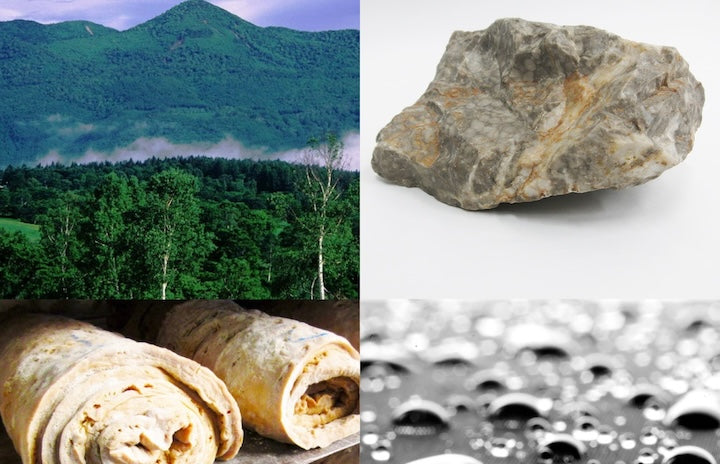
In a series of violent tectonic activity that took place approximately 80 million years ago, a rock (situated in the present-day Hawaiian island chain) traveled a very long way north-west to Mt. Kurohime in Niigata Prefecture, Japan.
It was, Yamamoto, who first discovered this unique rock, charmed by its properties, Yamamoto has created an innovative business enterprise. This incredible rock, composed of 99.7% calcium carbonate, is miraculously free from almost all impurities. Using this limestone rock as a starting material, Yamamoto has developed a number of high quality materials that have found applications in various fields such as; water sports gear, medicinal, and fashion. With a supply of at least 3000 years of this fantastic raw material, that is where Isurus Wetsuits comes in with the world’s first compression wetsuits for surfing.
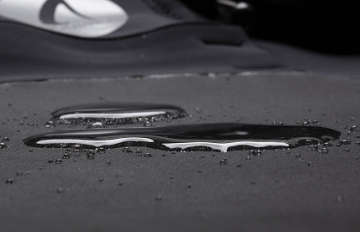
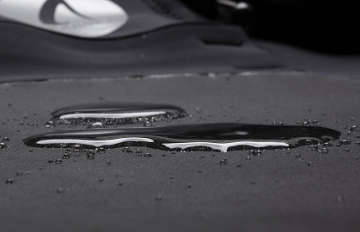
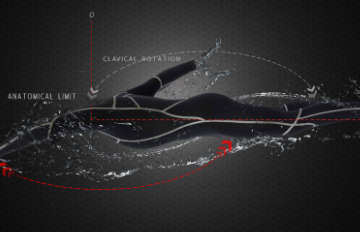
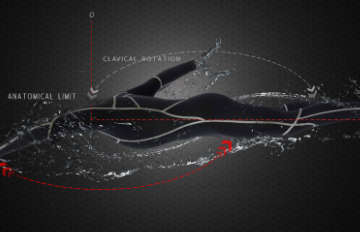
Better wetsuits start with better materials. Japanese Yamamoto neoprene is widely recognized as the thinnest, lightest, warmest neoprene available in the market. Yamamoto’s exceptional performance characteristics, combined with its superior durability is creating shock waves for traditional neoprene manufacturers who are figuring out how to compete and spawning a host of imitators producing substandard and inferior closed cell imitators. The hydrophobic materials in Isurus Wetsuits have elongation properties of 450% of its original size – with excellent values of elongation and recovery. This means it fits and acts like a second skin providing you with unrestricted range of motion you have not experienced before. To quote surfers, “it just feels better.”
Yamamoto’s proprietary closed-cell manufacturing process also results in a neoprene that is also highly durable while remaining extremely stretchy that feels and acts like a second skin. It doesn’t get loose over time like traditional neoprene that in a new suit, “feels” great, but quickly loses its elongation recovery as the cell structure breaks down.
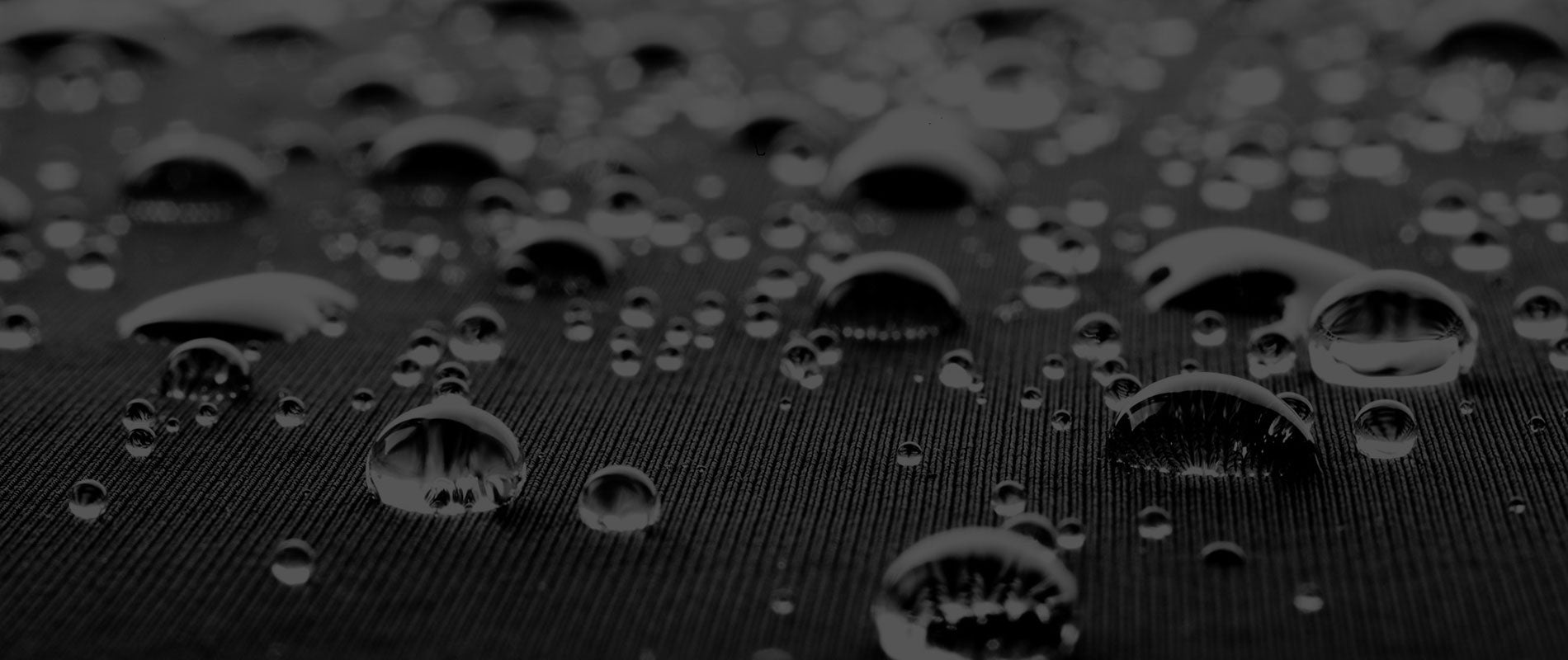
LEARN MORE ABOUT DURABILITYTraditional neoprene acts more like a kitchen sponge (in terms of water absorption) in many cases increasing the weight of a wetsuit by 2x or more requiring more body heat to warm the water, more energy to paddle and maneuver in a restrictive heavy water laden suit, and much longer drying times between surf sessions.
After exhaustive development, this is the warmest material combination we have found to date. A heat reflecting 4 layer sandwich construction – with exterior No. 039 jersey (or Fine Mesh), laminated to Yamamoto® closed cell #40 rubber, then a Titanium Coating, and then our proprietary Zircronium Fleece jersey lining inside creates an interior environment that reflects heat back towards the body. This incredible combination will be 40% warmer than regular neoprene. Nothing comes close. Zircronium Fleece is also BlueSign®and Oeko-Tex® certified, this yellow-gold color lining material is simply the best jersey we have found/tested/and confirmed to outperform all others for its warmth, comfort, light weight, and quick drying characteristics. Bluesign® and Oeko-Tex® work to assure that chemicals, processes, materials and products are safe for the environment, safe for workers and safe for end users.
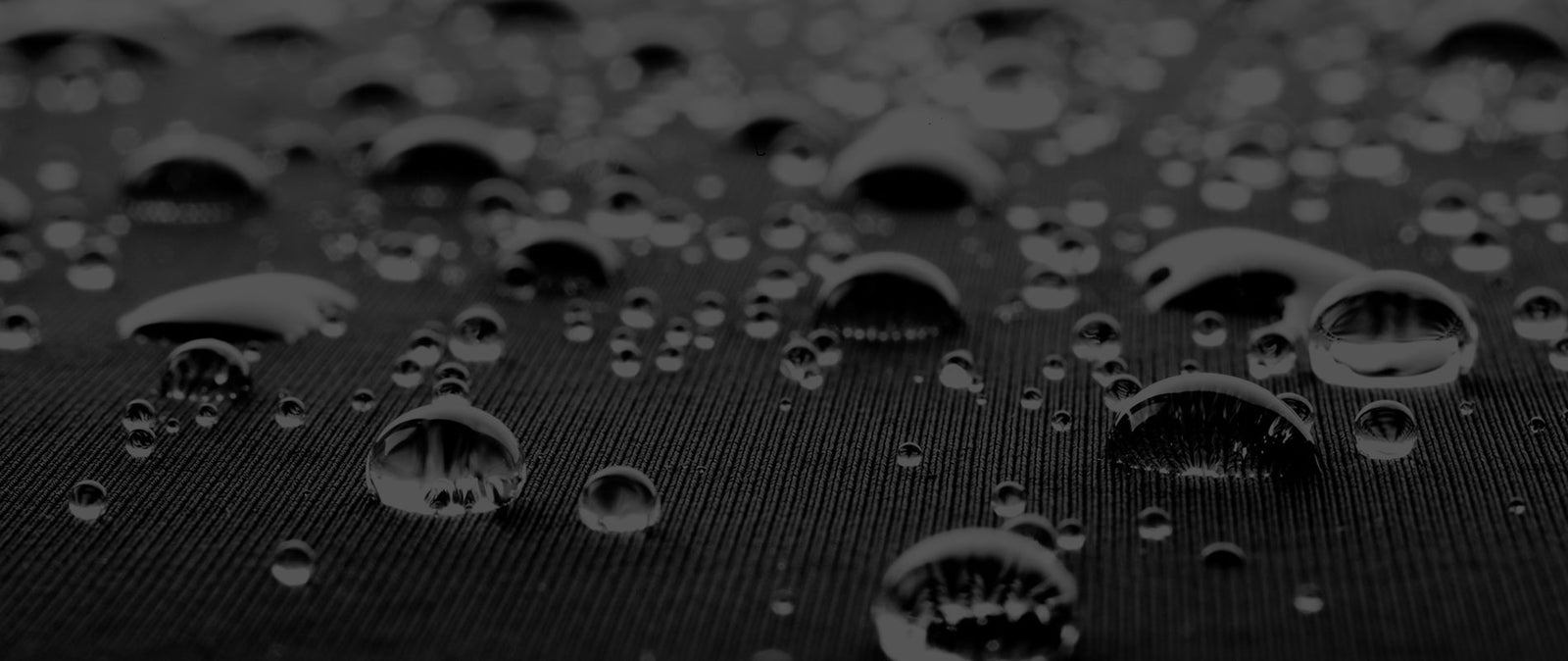
ISURUS’S NO. 039 JERSEY
- 82% Nylon 18% Polyurethane circular knit jersey.
- No. 039 jersey is dope dyed for exceptional colorfastness and UV protection from fading.
- Bluesign® certified.
- Oeko-Tex® certified.
YAMAMOTO #40 FINE MESH
Superior wind resistance against windchill and reduced friction on hoods for smoother water penetration in big surf.
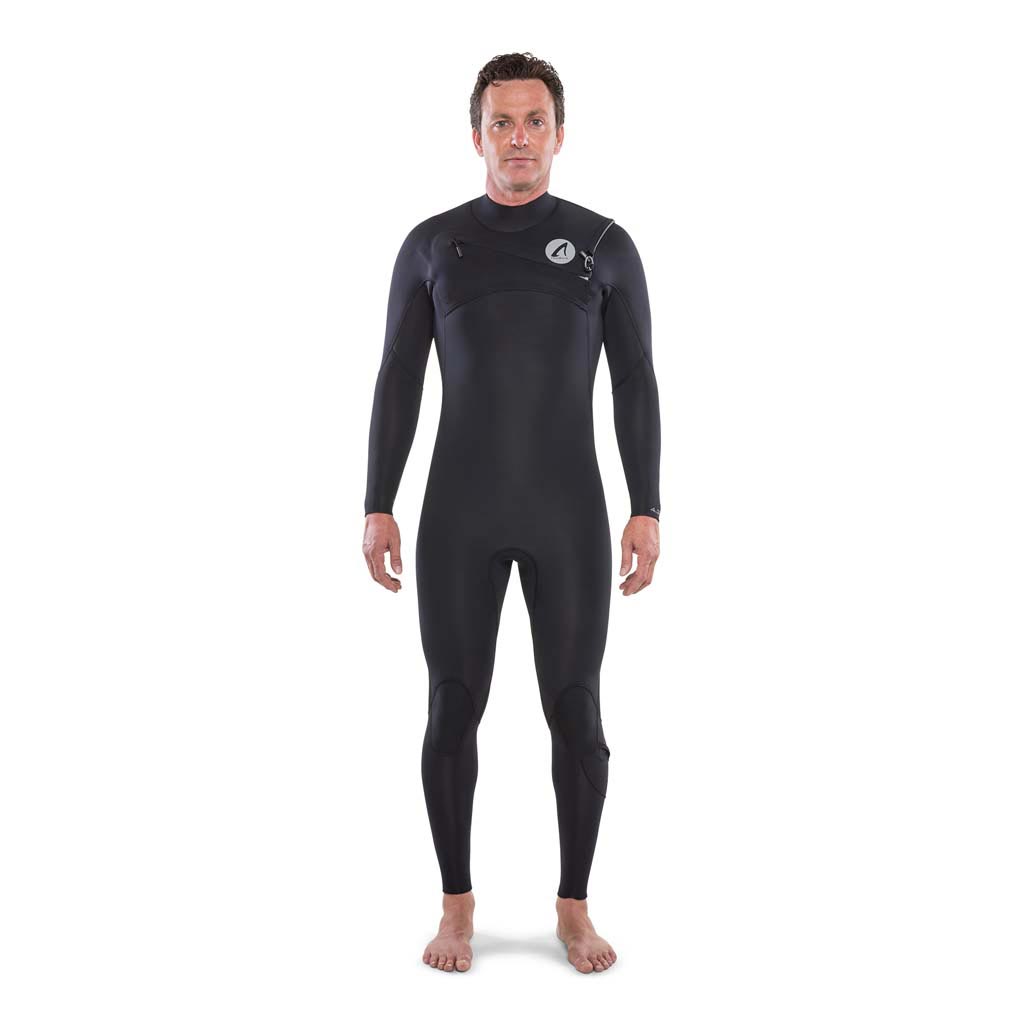
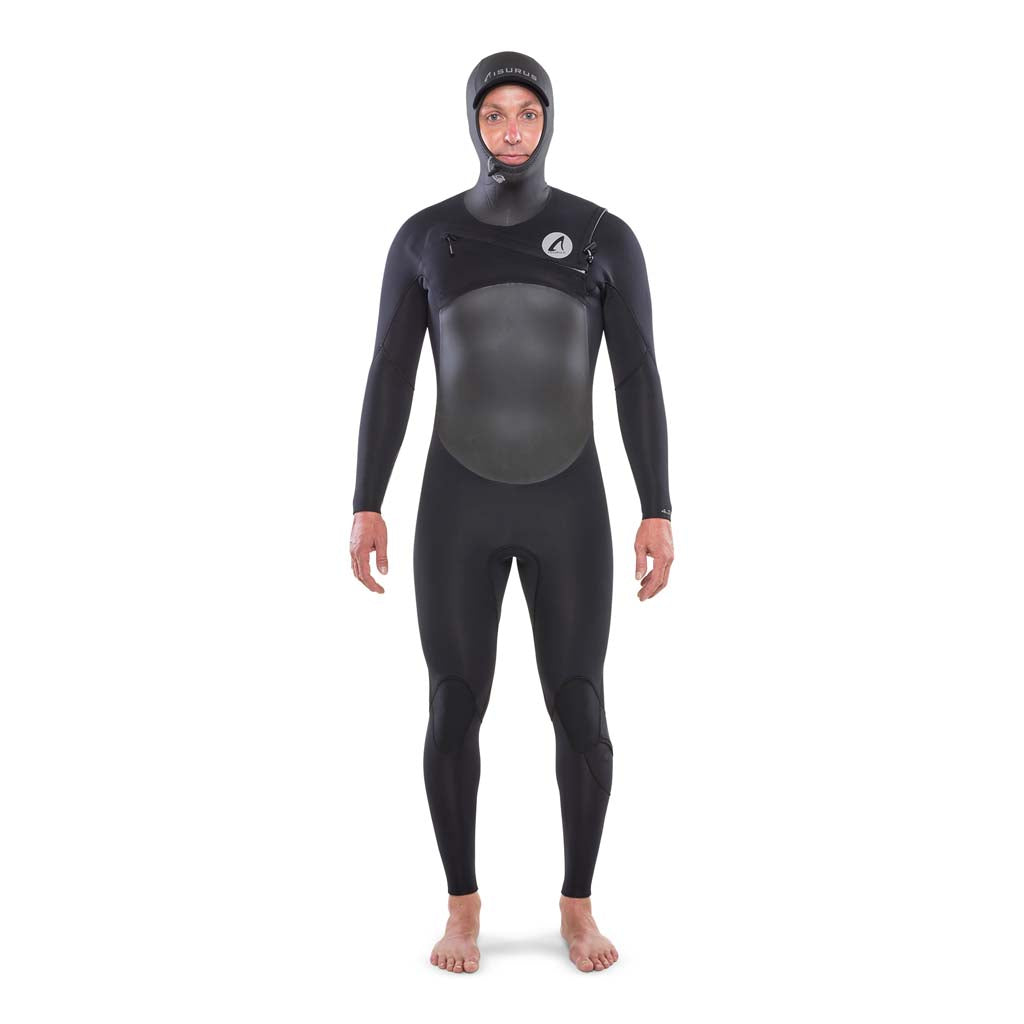
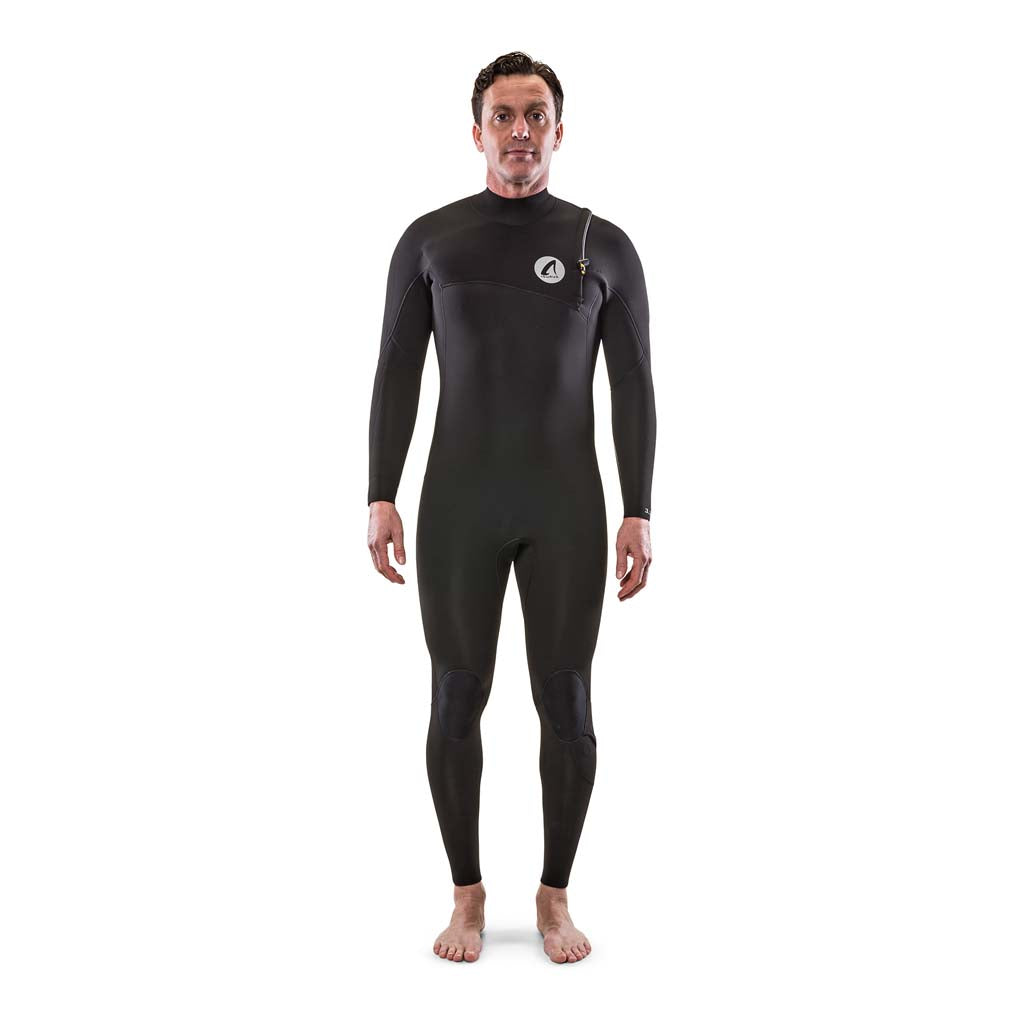
Our range of flexible, durable and warm wetsuits are engineered for performance. Our mission is to create the most comfortable surf wetsuits on earth. From the chest zip Evade Collection, to the ultra-flexible zipfree Shield Collection, our wetsuits stand the test of time. The Ti Alpha collection has been engineered for some of the most extreme conditions on earth, and many surfers prefer our wetsuit tops to surfing topless! You can see how the collection compares in this guide.
Thanks to the material composition and attention to detail, our customers come back again and again to have a quiver of ISURUS wetsuits for all the conditions that Mother Nature throws at them.